Blog Biomaterials
Biomaterials for IGFBP-3 immunoassay development & manufacturing
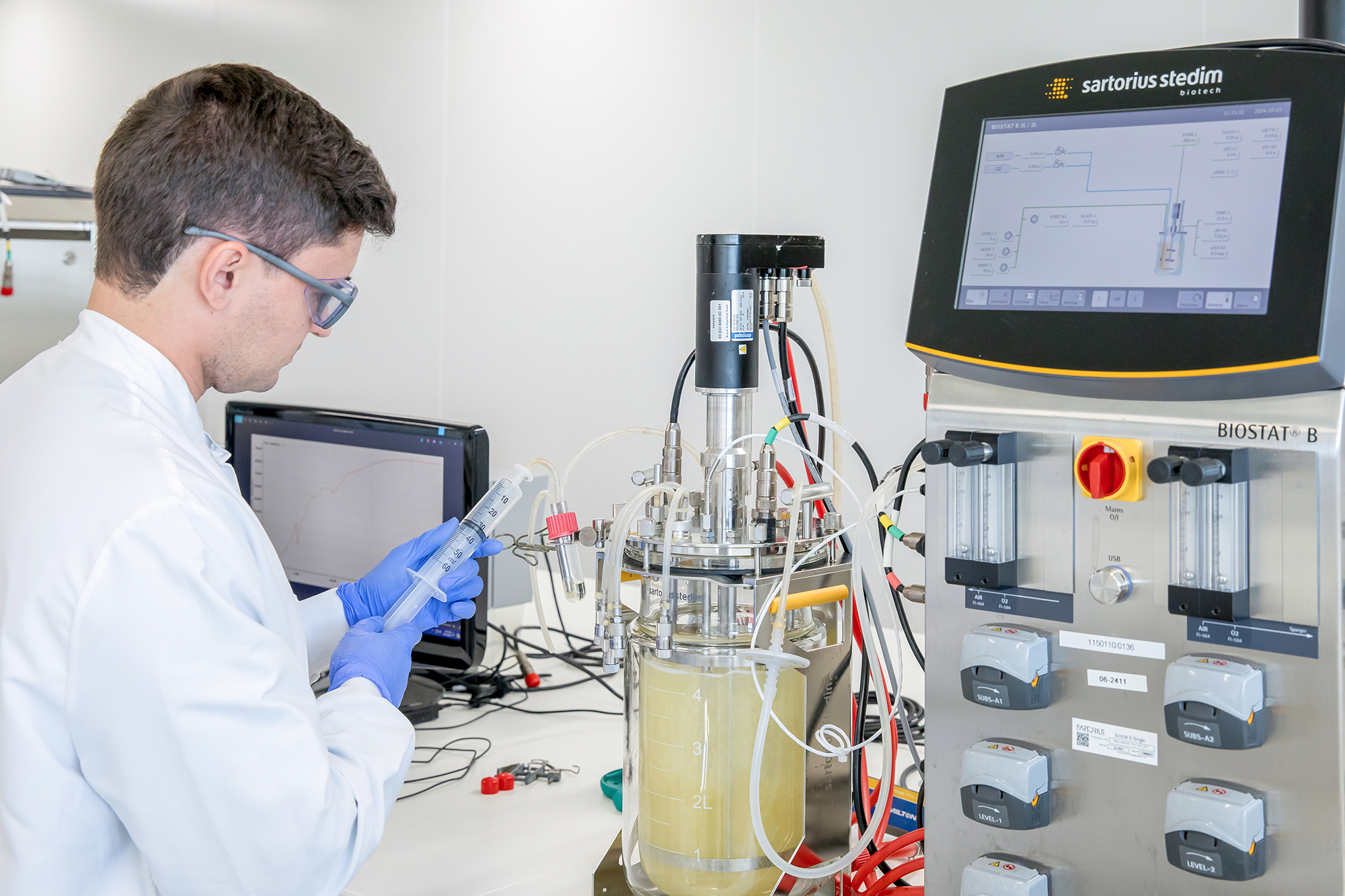
Insulin-like Growth Factor Binding Protein 3 (IGFBP-3) is a circulating and intracellular protein consisting of 264 amino acids with a molecular weight ranging from 28.7 kDa to 53 kDa[1]. As a member of the insulin-like growth factor binding protein family—which comprises six major isoforms (IGFBP-1 through IGFBP-6)—IGFBP-3 plays a critical role in regulating IGF-1 bioavailability. Driven by growth hormone (GH) stimulation, IGFBP-3 binds circulating IGF-1 to form stable complexes, acting as a critical modulator of the biological effects of IGF-1 like growth promotion and metabolic regulation[2].
Primarily synthesized in the liver, IGFBP-3 is the most prevalent binding protein in adult serum[2]. It acts as a vital transport carrier, extending the half-life of IGFs and regulating their metabolic clearance (avoiding IGF-1 degradation by proteolysis)[3].
Clinically, serum IGFBP-3 quantification is a standard aid in the diagnosis and monitoring of Growth Hormone (GH) disorders, such as acromegaly and GH deficiency[4].
How Werfen can support you
We can support your immunoassay portfolio expansion in the endocrinology panel by providing specifically designed antibodies to detect IGFBP-3.
Werfen endocrinology portfolio consist of the following products.
Biomaterial | PN | Product Description |
Antibody | 3000-7076 | Anti-IGFBP-3 mAb (BP371m) |
3000-7077 | Anti-IGFBP-3 mAb (BP324m) | |
3000-5316 | Anti-hGH mAb (7) | |
3000-5319 | Anti-hGH mAb (5) | |
3000-5315 | Anti-Cortisol mAb (3) | |
3000-5318 | Anti-Cortisol mAb (4) | |
3421-0000 | Anti-Prolactin mAb (1) | |
3421-0001 | Anti-Prolactin mAb (2) |
Contact us for further information on product availability and development stage
Using the newly developed IGFBP-3 monoclonal antibodies, our R&D team developed a CLIA prototype for quantitative detection of IGFBP-3 in human serum. Read the full technical note here.
[1] Rajaram et al. Insulin-Like Growth Factor-Binding Proteins in Serum and Other Biological Fluids: Regulation and Functions. Endocrine Reviews. 1997
[2] Allard J et al. IGF-Binding Proteins: Why Do They Exist and Why Are There So Many? Frontiers in Endocrinology. 2018
[3] Haywood et al The insulin like growth factor and binding protein family: Novel therapeutic targets in obesity & diabetes. Molecular Metabolism. 2019
[4] Bidlingmaier et al. Laboratory investigations in the diagnosis and follow-up of GH-related disorders. Archives of Endocrinology and Metabolism. 2019
Share:


Please contact us directly via telephone or with the following form.
Tel. +34 93 860 90 00